Language: English











New Factory Buildings Strengthening
Carbon Fiber Reinforced Polymer(Sheet)
To enhance the load-bearing capacity of these columns—without compromising the facility's clear height or introducing additional structural loads—the project ultimately adopted a reinforcement scheme utilizing carbon fiber reinforced polymer sheet applied to the upper and lower sections of the columns.
Project Overview
This project involves the construction of a new, high-standard intelligent manufacturing facility for a technology company specializing in smart systems. Situated within the core zone of an industrial park, the facility encompasses a total floor area of approximately 12,000 square meters. It features a single-story, large-span reinforced concrete frame structure with a clear ceiling height of approximately 12 meters. The structural system utilizes cast-in-place reinforced concrete columns paired with a primary-and-secondary beam arrangement, topped by a lightweight steel roofing system.
The factory facility was originally planned for the assembly, commissioning, and storage of intelligent equipment. However, due to subsequent adjustments in the layout of heavy-duty machinery and an increase in process-related loads, the axial compression ratios and lateral-force resistance capabilities of certain frame columns no longer met the new operational requirements. To enhance the load-bearing capacity of these columns—without compromising the facility's clear height or introducing additional structural loads—the project ultimately adopted a reinforcement scheme utilizing carbon fiber reinforced polymer sheet applied to the upper and lower sections of the columns. This method was applied to strengthen all load-bearing frame columns; the accompanying site photograph depicts the factory interior during the reinforcement construction phase.

Reasons for Reinforcement
The installation of new heavy-duty intelligent equipment and an automated vertical storage system within the facility has resulted in a significant increase in the axial compressive loads on the frame columns. Consequently, the axial compression ratios of certain columns have exceeded prescribed code limits, giving rise to potential safety hazards regarding both compressive and shear resistance.
Given the facility's structural characteristics as a large-span, open-plan space, the lateral load-bearing capacity of the columns is insufficient to withstand horizontal wind loads and seismic forces; therefore, it is necessary to enhance both the ductility and confinement capabilities of the columns.
The upper and lower extremities of the columns constitute critical load-bearing zones: the column base acts as a fixed support, subject to substantial shear forces and bending moments; meanwhile, the region where the column top connects to the beams serves as the nodal core zone, characterized by complex stress distribution. Since unilateral reinforcement alone cannot guarantee overall structural safety under these loading conditions, it is imperative to apply carbon fiber wrapping reinforcement simultaneously to both the upper and lower sections of the columns.

Design Basis
ACI 440
Original plant structural construction drawings and on-site structural inspection report
Equipment layout and loading requirement documents provided by the client
Strengthening Scheme
This project employs a strengthening method involving segmented wrapping with carbon fiber fabric at the upper and lower sections of the columns, combined with circumferential hoop confinement. This approach targets the critical load-bearing zones of the frame columns for reinforcement. The specific scheme is detailed as follows
Scope of Strengthening: All frame columns within the plant facility. This involves a total of 42 column members, each with a cross-sectional dimension of 600 mm × 600 mm and a height of approximately 10 m.
Strengthening Method:
1) Strengthening of Column Base Region: The lower, fixed-end region of the column shaft shall be circumferentially wrapped with multiple layers of carbon fiber fabric. The wrapping height shall be no less than 1.5 times the column cross-sectional side dimension. The primary objective is to enhance the shear and compressive resistance of the column base, confine the lateral deformation of the concrete, and prevent compressive crushing failure at the base.
2) Strengthening of Column Top Region: The upper region of the column shaft—specifically the joint core area connecting to the beam—shall be strengthened via circumferential wrapping with carbon fiber fabric. This wrapping shall extend downward to a point no less than 500 mm below the bottom of the beam. The aim is to bolster the shear resistance and confinement capacity of the joint region, thereby preventing shear failure within the joint core.
3) Additional Confinement Measures:Circumferential carbon fiber hoops shall be applied within both the upper and lower strengthened regions of the column shaft. These hoops shall be spaced in accordance with relevant code requirements, establishing a "wrapping + hoop" confinement system. This system significantly enhances the confinement effect on the column concrete, thereby increasing both the axial compressive load-bearing capacity and the ductility of the column.
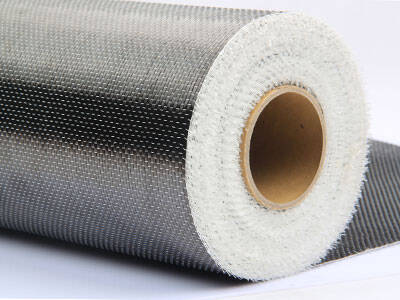
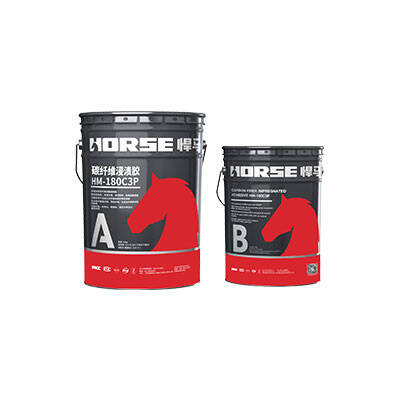
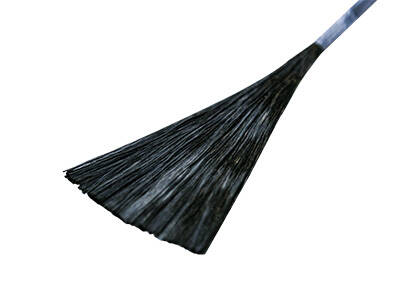
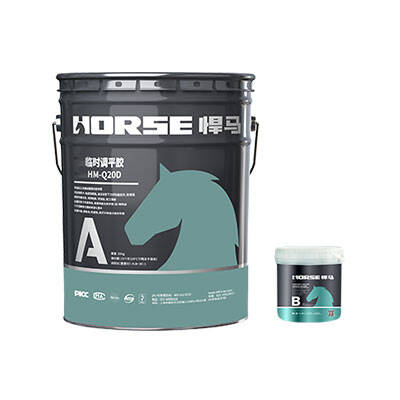
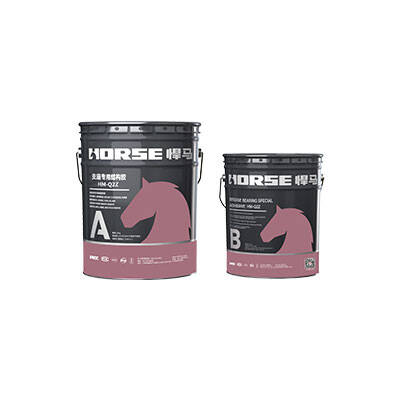
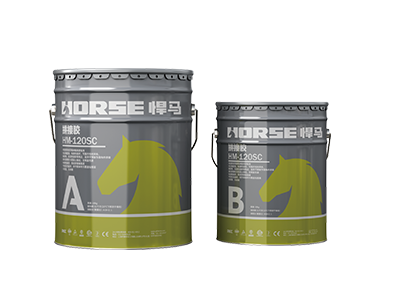
Material Selection: High-strength Grade I carbon fiber sheet shall be utilized, featuring a standard tensile strength value of ≥ 3400 MPa. This fabric shall be paired with specialized impregnating resin and primer to ensure that the carbon fiber sheet and the concrete column function as a unified structural system.

Construction Process Flow
Based on the specific site conditions of the facility, the project is executed in strict accordance with standardized procedures, as outlined below:
Substrate Preparation and Defect Repair
Clean the column surface to remove laitance, oil stains, voids, and honeycomb defects. Grind and level the column surface, then repair any defective areas using specialized repair mortar to ensure the surface is flat, dry, and free of loose material.
Grind the corners and edges of the column into rounded arcs with a radius of no less than 20 mm; this prevents stress concentration at sharp edges, which could otherwise lead to damage of the carbon fiber fabric.
Layout and Positioning
Based on the design drawings, mark the upper and lower reinforcement zones, wrapping height, and hoop spacing directly onto the column surface, clearly delineating the reinforcement boundaries at both the base and the top of the column.
Application of Primer
Prepare the specialized primer according to the specified mixing ratio and apply it evenly to the prepared column surface. Ensure the primer fully penetrates the concrete substrate; proceed to the next step only after the primer has dried to a "finger-touch dry" state.
Carbon Fiber Wrapping at Column Base
Cut the carbon fiber fabric to the dimensions specified in the design drawings. Prepare the impregnating resin, thoroughly saturate the fabric with the resin, and then wrap and adhere it circumferentially around the column base area. Use a roller to repeatedly press down on the fabric to expel air bubbles, ensuring the surface is flat, free of voids, and wrinkle-free. When applying multiple layers, wait until the resin on the previous layer is "finger-touch dry" before proceeding with the application of the next layer.
Carbon Fiber Wrapping at Column Top
Following the marked layout lines, apply circumferential carbon fiber wrapping to reinforce the core zone of the column-top joint. During application, ensure the fabric maintains tight contact with the column surface; extend the fabric ends downward into the anchorage zone below the beam bottom to ensure reliable load transfer within the joint.
Application of Circumferential Hoops and Quality Inspection
Apply circumferential carbon fiber hoops to the upper and lower reinforcement zones of the column at the intervals specified in the design, thereby enhancing the confinement effect on the concrete within the column. Upon completion of the application, allow the structure to cure at ambient temperature for a minimum of 7 days. Once the structural adhesive has fully cured, use the tapping method to inspect the bonding density. Additionally, conduct random sampling inspections in accordance with regulatory requirements to ensure there are no voids, lifting edges, or detachment issues.
Project Results and Acceptance Conclusion
Significant Improvement in Structural Performance: Following the completion of the strengthening work, testing conducted by a third-party agency confirmed that the axial compressive load-bearing capacity, shear resistance, and ductility of all strengthened columns fully meet the requirements of both the design specifications and relevant codes. This effectively resolved the safety hazards posed by the newly added loads, thereby providing a reliable safeguard for the subsequent installation and long-term operation of intelligent equipment.