Language: English












Overwater Restaurant Platform & Jetty Strengthening in the Maldives
CFRP Carbon Fiber for Beams and Pile–beam Joints
CFRP strengthening of concrete beams and pile–beam connection joints for an overwater restaurant and jetty in the Maldives — restoring capacity and sealing out chlorides in a tropical tidal-zone environment.

Project Overview
The project is an overwater restaurant with its connecting jetty at a resort in the Maldives. The structure is a mixed system standing directly on the beach seabed:
Vertical supports: large-diameter steel pipe piles with a white protective coating, driven straight into the sandy seabed and carrying the entire building;
Primary framing: reinforced-concrete beams spanning between the pile supports;
Decking: timber joists and solid timber planks laid over the beams.
The building sits in the intertidal zone of a tropical beach: at high tide, seawater reaches the pile bases, and the whole substructure lives in permanent salt spray with daily wet–dry cycling — the most aggressive exposure class for both steel and reinforced concrete.

Current Structural Problems
Inspection of the substructure showed exactly the deterioration pattern this environment produces:
Connection joints corroding first. At the pile–beam connections, the steel joint elements — welds and flanges — accumulate salt and stay moist longest. These joints are the highest-risk corrosion zones on the entire structure, and they carry its most critical load paths.
Original pile coating failing. The white protective coating on the steel pile shafts had yellowed and was locally damaged. In the tidal zone, a coating in this condition will blister and peel rapidly, leaving the steel bare exactly where wet–dry cycling is most aggressive.
Water traps at the timber–beam interface. Where the timber decking and joists meet the concrete beams, moisture collects and drains poorly. The beam top zones stay saturated, driving chlorides into the concrete and toward the reinforcement — on the very faces hardest to inspect in service.
Sand scour around pile bases. Persistent wave action moves beach sand and carries a long-term risk of undermining the pile foundations — a separate mechanism from material corrosion, requiring monitoring and, if needed, dedicated toe protection outside this strengthening scope.
The common thread through the first three: conventional patch-and-repaint maintenance has already failed once on this structure, and in a tidal zone it fails fast.


The Strengthening Scopes
1. Concrete beams — full-length CFRP wrapping
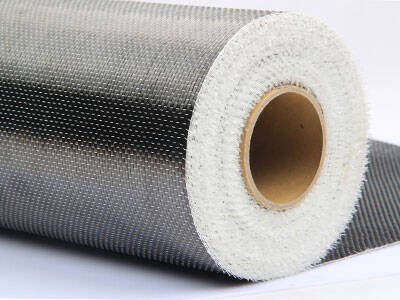
The reinforced-concrete beams were wrapped over their full length with CFRP fabric, as visible in the project photos — soffits and sides fully enclosed in the bonded carbon skin. The layout combines three functions in one continuous system:
Fabric along the beam soffits restores flexural capacity along the span;
Fabric continuing up the beam sides provides shear resistance and restrains existing cracks from opening further;
The fully bonded skin acts as a permanent chloride barrier, cutting off the moisture, chlorides, and oxygen that drive rebar corrosion — including over the water-trapping top zone at the timber deck interface.

Because the fabric conforms to the member like a second skin, the wrapping runs continuously through the frame geometry — no formwork, no wet trades, and no added weight on the aging piles: less than two millimeters per layer.
2. Pile–beam joints — sealed and confined connections
The connection zones where the steel piles meet the concrete beams received circumferential CFRP wrapping, visible in the photos as the dark wrapped bands at the pile heads. Encapsulating the joint does three jobs at once:
It seals the steel joint elements — welds, flanges, and their crevices — against further salt ingress, arresting the most aggressive corrosion mechanism on the structure;
It confines the connection zone, improving the integrity and shear behavior of the most heavily worked region of the frame;
It conforms tightly to irregular joint geometry — welds, flanges, transitions between round pile and rectangular beam — that coatings can never cover uniformly.

Why This Approach Fits Marine Structures
| Requirement of the site | What CFRP delivered |
|---|---|
| Stop deterioration where coatings already failed | Permanent epoxy-carbon barrier — no chalking, blistering, or peeling in tidal service |
| Protect welds, flanges, and joint transitions | Fabric conforms to any geometry, sealing zones brushes and spray guns cannot reach |
| Restore beam capacity | Bonded longitudinal and side fabric for flexure and shear, without enlarging members |
| No wet trades or hot work beside a timber deck and guests | Cold-bonded, hand-applied installation — no formwork, no ignition risk, minimal disturbance |
| Work over tidal water | Lightweight materials, no seabed scaffolding, no access equipment from below |
| Maintenance-free outcome | The reinforcement itself cannot rust — the repair does not introduce the next corrosion problem |
The alternatives show why the choice matters. Enlarging the concrete sections would mean formwork and wet concrete over tidal water; bonded steel plates or steel jackets would place new steel into exactly the environment that destroyed the old protection — on marine structures, every conventional repair is a maintenance cycle, while CFRP encapsulation terminates the cycle.

After Strengthening
The concrete beams' flexural and shear capacity is restored by a continuous bonded carbon skin, with existing cracks restrained;
The pile–beam joints — welds, flanges, pile heads — are sealed against salt ingress and confined at the structure's most critical load paths;
The failing coating regime is ended: no repainting program, no recurring blister-and-peel cycle in the tidal zone;
For resort and coastal structures, this project states the practical case for CFRP plainly: where coatings keep failing, encapsulate once — and let the ocean do its worst against a barrier that cannot rust.
Have a Similar Project? Talk to Us.
Horse Construction is a Shanghai-based manufacturer of structural strengthening materials, with two full product lines trusted on marine and infrastructure projects in 100+ countries:
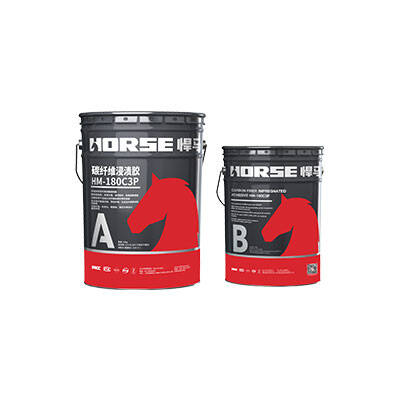
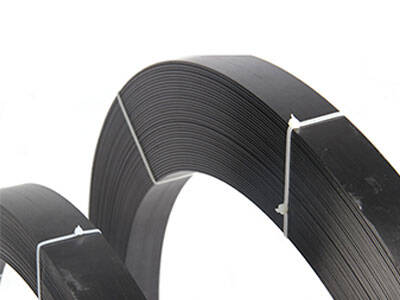
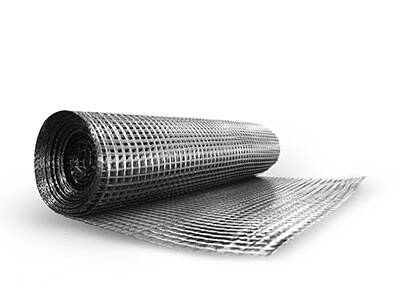
Carbon fiber systems — CFRP fabric, CFRP laminates, pre-stressed CFRP laminate systems, carbon rebars and tendons, with matched saturating epoxies;
Structural adhesives — steel-bonding adhesive, rebar-planting adhesive, crack injection and pouring adhesives, and segment joint adhesive.
If your project involves marine structures, jetties, overwater buildings, or similar strengthening work, contact us — we will do everything we can to support you, from material selection to on-time delivery.